Cataract

Understanding About Cataract

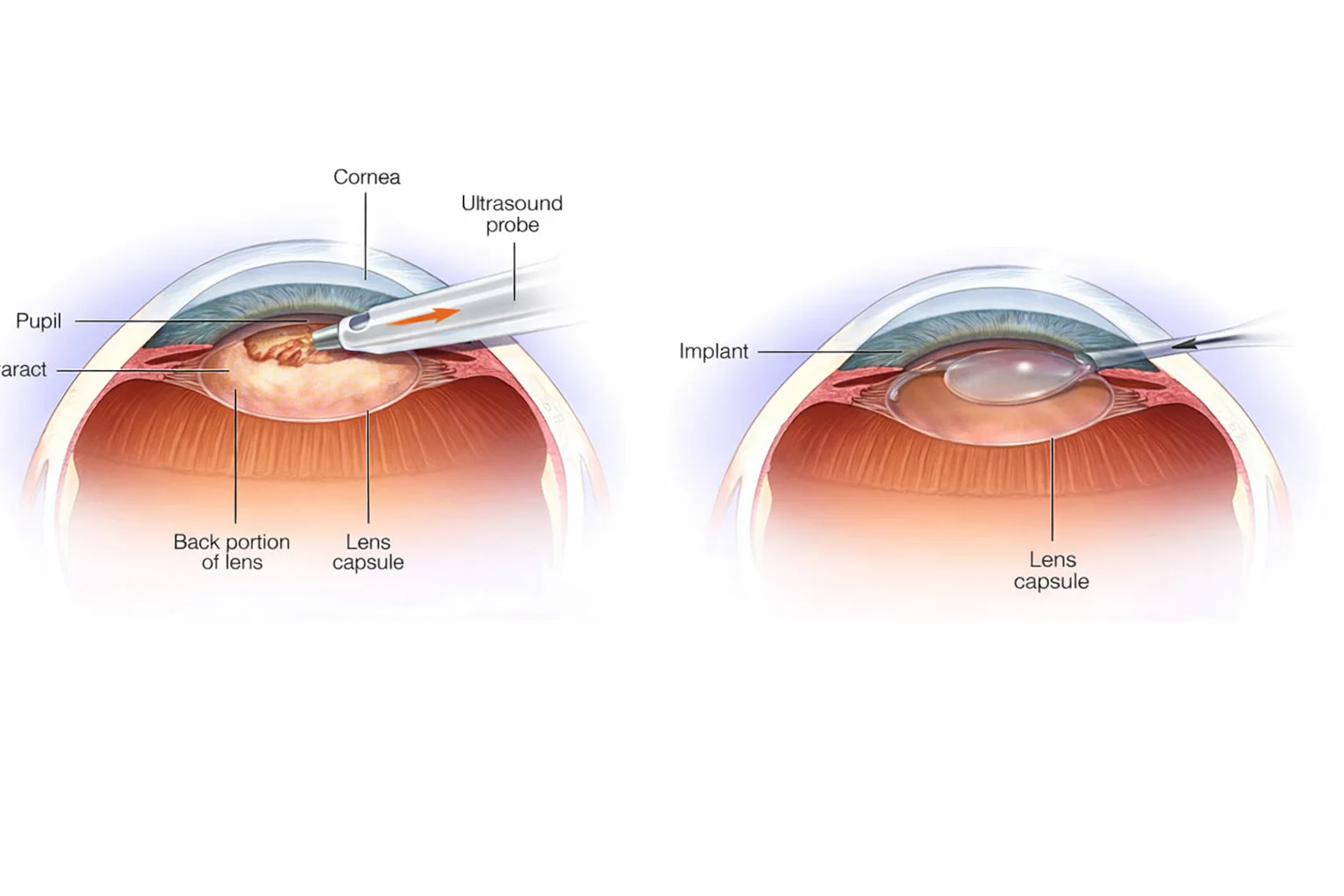
A cataract is a common eye condition in which the eye’s natural crystalline lens becomes cloudy, reducing the amount of light that reaches the retina and causing blurred or diminished vision. Just like a camera needs a clear lens to capture a sharp image, the human eye relies on a transparent natural lens to focus light accurately onto the retina. When this lens becomes cloudy, the light entering the eye is scattered instead of being sharply focused. As a result, vision becomes hazy, colors appear dull, and everyday tasks—such as reading, driving, or seeing clearly at night—become increasingly difficult.

Cataracts are not a growth or film on the eye, but rather a change within the natural lens itself. The condition develops gradually and cannot be corrected with glasses, contact lenses, or medications. As the cataract progresses, symptoms worsen and may significantly affect your quality of life.

symptoms

Symptoms

  • Cloudy or blurred vision
  • Fading or dullness of colors
  • Poor vision in low-light or nighttime conditions
  • Difficulty driving at night, especially due to glare from headlights
  • Strain while reading, particularly in dim lighting
  • Seeing colored halos around lights
  • Double or multiple images in one eye
treatment

Treatments

Cataracts cannot be reversed with medication, eye drops, or lifestyle changes. The only definitive and effective treatment is cataract surgery, where the cloudy natural lens is removed and replaced with a clear artificial lens to restore vision.

  • Early-Stage Management : In early-stage cataracts, doctors manage mild symptoms with updated glasses, better lighting, and magnifying aids.
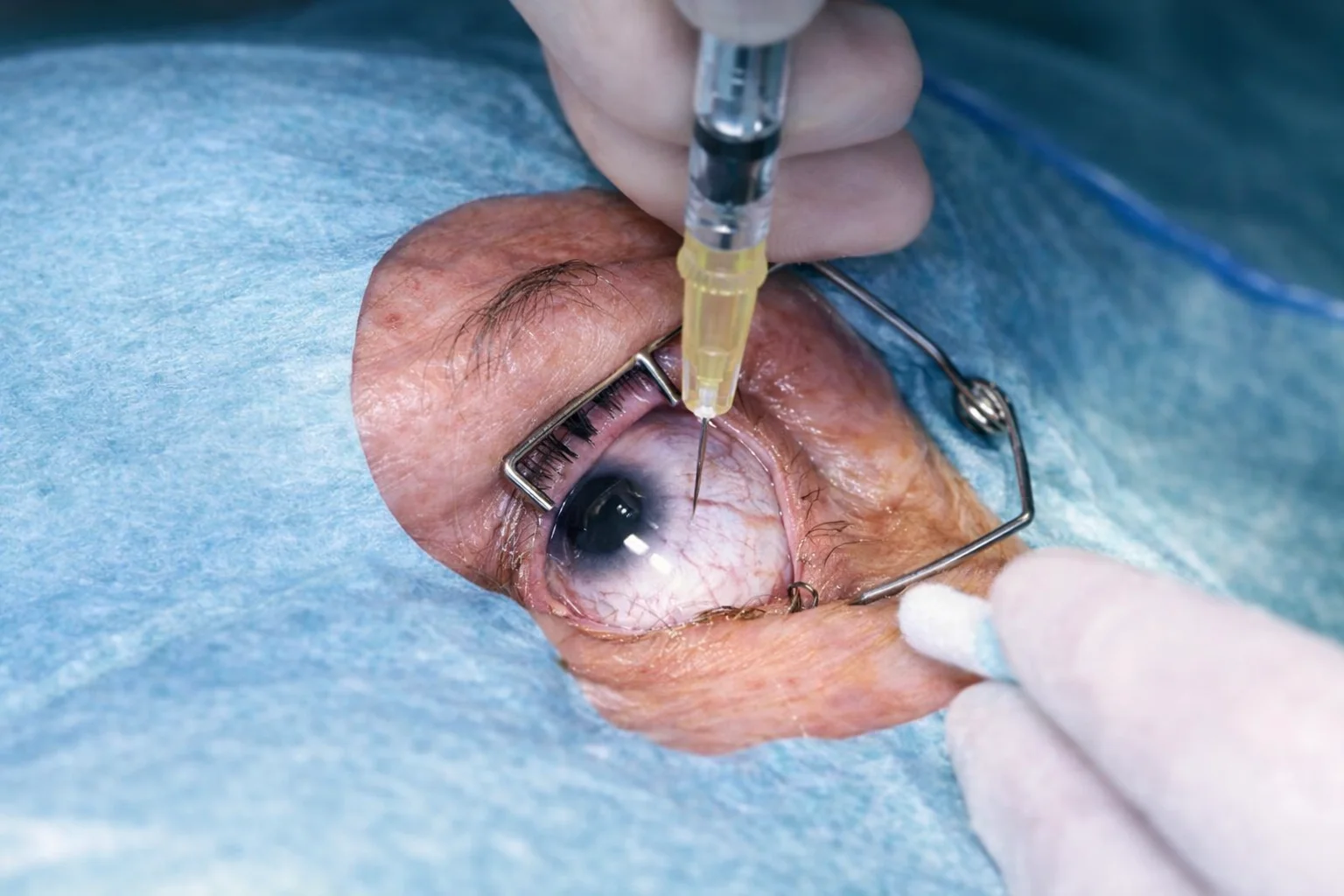
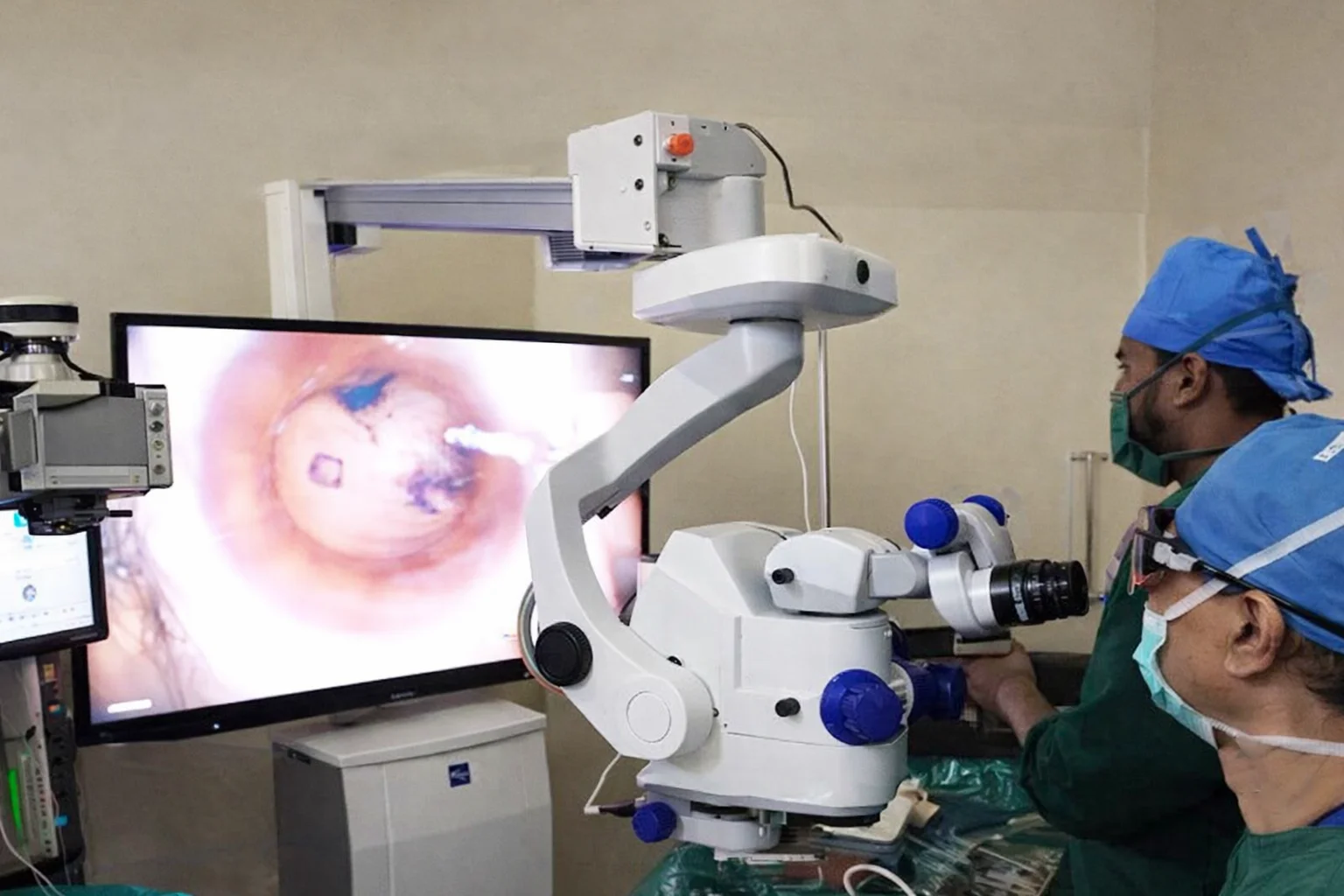
  • Cataract Surgery (Definitive Treatment): When cataracts disrupt daily tasks, a quick, safe outpatient surgery replaces the cloudy lens with a clear IOL to restore sharp vision.
  • Intraocular Lens (IOL) Options: Monofocal for single-distance vision, multifocal/trifocal for reduced glasses use, and toric for astigmatism correction.
precautions

Precautions

Proper care and timely precautions help protect your vision and ensure a smooth recovery before and after cataract surgery. The following guidelines are recommended for safe and effective eye care

  • Before Cataract Surgery
    • Avoid touching your eyes, if possible wear sunglasses outdoors.
    • Follow all pre-operative instructions and prescribed drops.
  • After Cataract Surgery
    • Don’t touch the operated eye; use prescribed drops
    • Keep water and dust away; limit screens briefly.

Treatments Under Cataract Service

SICS
SICS
Learn More
MICS
MICS
Learn More
Phacoemulsification
Phacoemulsification
Learn More
l>